Era Pickleball Leagues: Compete Locally
In the growing world of pickleball, the way players connect with the game matters as much as the match itself. Era Pickleball has built a local-first framework that emphasizes accessible competition, reliable facilities, and a sense of community that travels with you from court to court. What follows is a grounded look at how Era Pickleball leagues operate on a neighborhood scale, why they feel different from the casual weekend game, and how you can get involved without reinventing your schedule or your social life.
From the first paddle tap to the final scoreboard tally, local leagues are where the sport becomes habit. They’re not just about winning or losing; they’re about showing up consistently, building a network of fellow players, and letting the game fit into real life rather than forcing life to fit around it. Era Pickleball understands that the best leagues are the ones you barely notice—until you realize you’ve played three nights in a row, logged a handful of new friends, and discovered a sharper edge to your shot all at once.
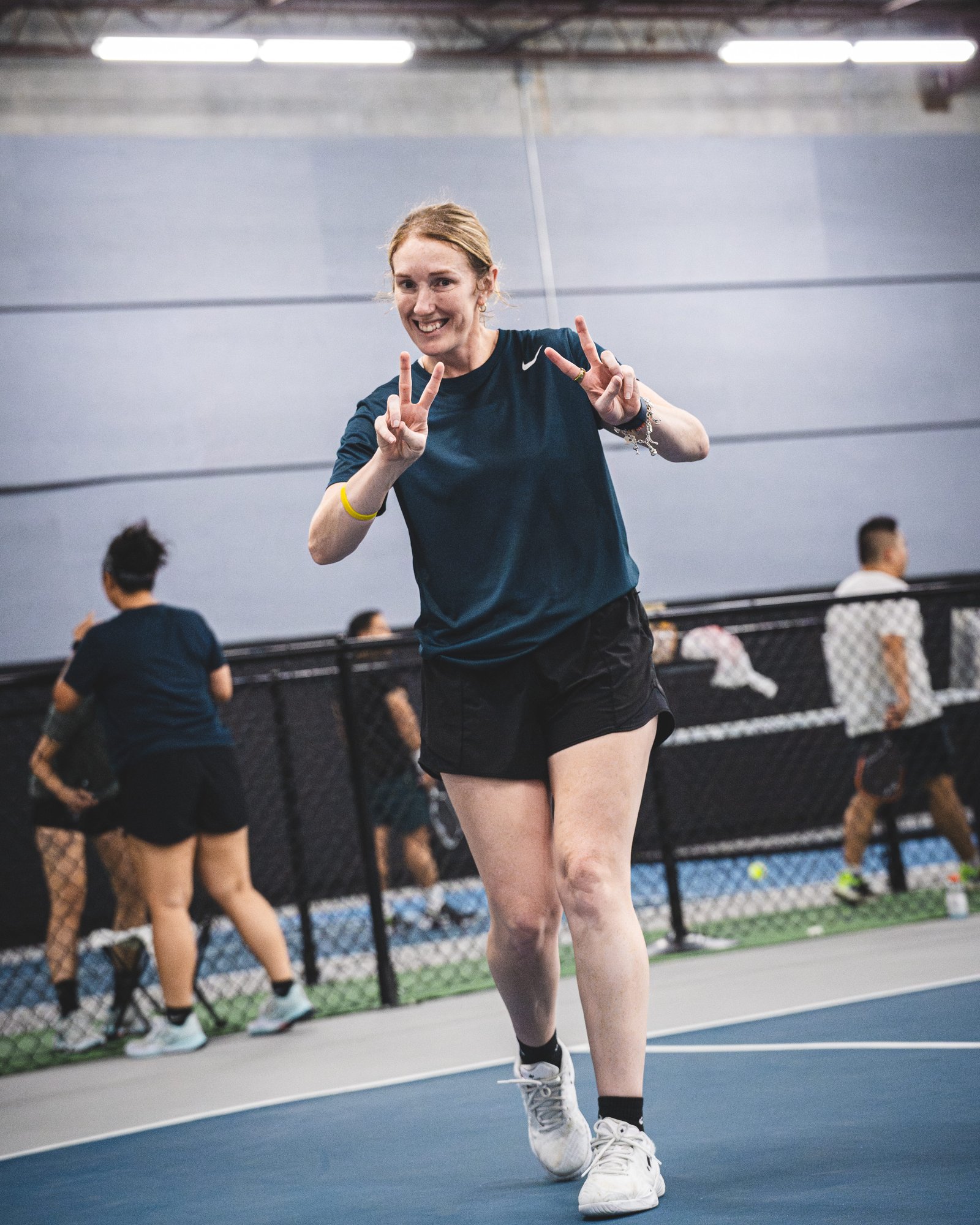
A practical entry point to this ecosystem is to think of the Era framework as a way to transform scattered games into a reliable cycle. The league structure is designed to reduce friction: centralized scheduling across multiple facilities, streamlined signups through era pickleball near me portals, and a consistent standard for rules and event formats. The result is predictable weekends, clear paths for advancement, and a friendly competitive spirit that doesn’t demand years of experience to enjoy.
What makes Era Pickleball leagues genuinely local is the emphasis on proximity and accessibility. The company’s network includes indoor pickleball courts and outdoor pickleball courts that are thoughtfully distributed to minimize drive times for players who want to fit a match between work and family commitments. The indoor courts provide a controlled environment that protects players from weather disruptions and seasonal swings, while the outdoor courts capture the social energy of a community court day, where players tromp from shade to sun and back again with a familiar cadence. In many markets, you’ll find both options in close proximity, which means you can pick the venue that best suits your schedule or mood on a given week.
The leagues are designed to accommodate a broad spectrum of players. For some, the league is a way to maintain top-level readiness, to train with rhythm and accountability, and to test skills against a rotating roster of opponents. For others, it’s a social anchor—a regular time to practice, catch up with friends, and keep fitness in a sustainable loop. Era Pickleball’s approach respects both motivations, offering formats that support competitive intensity without sacrificing the social glue that makes the sport so appealing in the first place.
In practical terms, joining an Era Pickleball league often starts with a quick search for pickleball near me, followed by a few clicks to see the schedule, the venue, and the available divisions. The era pickleball platform aims to present a clear path from first inquiry to first match, with a reliable calendar, transparent pricing, and straightforward eligibility rules. The frictionless sign-up process is not just about convenience; it’s about reducing barriers so players can focus on the game and on the relationships they’re building along the way.
The facilities themselves are designed to be welcoming from the moment you arrive. Indoor pickleball courts feature well-lit spaces, appropriate flooring that reduces stress on joints, and wall surfaces that keep balls in play without sacrificing the dynamic bounce that defines the sport. The best venues invest in maintenance with a disciplined schedule, so nets are taut, lines are crisp, and the court surface remains consistent across sessions. Outdoor pickleball courts, conversely, provide a different kind of rhythm—the sun on the shoulders, the rustle of wind through the trees, and a social energy that tends to peak as more players bring a friend or two to see what all the fuss is about. In Era’s ecosystem, both types of spaces are calibrated to support equal levels of play and equal access to competitive opportunities.
One of the central challenges for any local league is balancing the desire for fair competition with the realities of a community-based schedule. Era Pickleball handles this with a tiered division system that keeps gameplay engaging for newcomers while preserving meaningful matchups for advanced players. New entrants often begin in a development division, where the emphasis is learning the rhythm of league play, absorbing the rules, and building a reliable level of consistency. As players gain experience and accumulate wins, they move into more competitive divisions, where the quality of competition rises and the time commitment can be tuned to personal goals. The progression system is transparent, with clear benchmarks and a public ladder. In practice, this means a player can reasonably anticipate a path from casual participant to recognized league competitor within a single season, depending on effort and aptitude.
The social mechanism in Era Pickleball leagues is equally deliberate. Leagues increasingly feel like a neighborhood club where you know the names of the people across the net and the people who usually watch the games from the sideline. There’s a rhythm to the season: sign up, schedule, play, and debrief. Players often exchange tips after matches, comparing shot selections, footwork patterns, and serve strategies in a way that is constructive rather than competitive in a negative sense. Coaches and ambassadors in the Era network help by offering clinics and clinics and informal mentoring, which lowers the barrier to entry for beginners who might feel anxious about a week-to-week test against stronger opponents.
A practical example of the ecosystem at work helps illustrate how these elements come together on a typical weekend. A neighborhood center hosts a double-elimination format that spans two days, with four to six divisions running concurrently. Players arrive, check in, and meet a coordinator who explains the day’s format and schedules. The court setup is clean and consistent; balls are tested, and players are reminded of the rules regarding line calls and let serves. After a few warm-up rallies, the opening matches begin, the crowd of friends and family cycles through the stands, and a social table outside hosts a conversation about high-quality dinks and the best ways to generate pace on a drive volley. By Sunday afternoon, the pool of winners advances to the knockout rounds, while others regroup, recover, and prepare for a later date in the season where they can tilt the outcomes in their favor through practice and strategic adjustments.
The strategic value of local leagues is that they cultivate a precise, data-rich understanding of each player's strengths and weaknesses. Players who invest in this ecosystem rapidly learn to tailor their training to the league’s cadence. They begin to map out which shots are most effective in different court surfaces and lighting conditions, which serves produce the most consistent results, and how to manage energy across a long day of play. League organizers, in turn, glean valuable insights into the level of play in a given market, enabling them to calibrate divisions, ensure a healthy balance of competition, and fine-tune schedule density to maximize participation without overburdening players.
An important trade-off to recognize is that local leagues thrive on consistency rather than sporadic, high-intensity bursts. For many players, showing up week after week builds a durable skill set because the repetition is deliberate and the feedback loop with referees and fellow players is strong. That cadence is a core strength of Era Pickleball’s local approach. It stands in contrast to sporadic, tournament-driven play that many players chase purely for the adrenaline of a single event. The league model anchors skill development in routine, which tends to produce steady improvements, better court sense, and a more nuanced understanding of match dynamics.
For those who worry about time commitments, the Era ecosystem is designed to offer flexibility. Many leagues operate on a rolling schedule with multiple divisions that can accommodate readers with varying weekly availability. Some venues host midweek leagues that cater to people who work on the weekend, while others run all-day weekend formats that can be split into morning and afternoon blocks. Importantly, players can join mid-season and still be placed into a matching bracket that reflects their current level. This inclusivity is essential in keeping the league vibrant and inviting for players who are new to the sport or who are returning after a hiatus.
From a practical standpoint, there are several steps you can take to integrate Era Pickleball leagues into your life with minimal friction:
- Identify nearby facilities that support Era Pickleball. Indoor courts and outdoor courts are both common, and many facilities offer a consistent weekly presence, which helps with planning.
- Check the league calendar and assemble your partner. Some formats are team-based, others are individual, and a few blend both approaches. If you have a regular doubles partner, coordinate schedules early to maximize your chances of placement in a suitable division.
- Review the rules, then watch a few matches. Understanding line calls, let serves, and the order of play helps you feel confident when you step onto the court.
- Prepare equipment that suits the format. A reliable paddle that you’re comfortable with, a water bottle, and proper court shoes are usually enough to ensure you perform at your best without distraction.
- Treat the league as a learning opportunity. Keep a notebook or a voice memo of your observations after each match. Note the shot types that reward you, the opponent tendencies you encounter, and the things you want to practice before the next round.
Beyond the mechanics of play, Era Pickleball leagues have a distinct social texture. The best moments often arise not from a spectacular cross-court winner but from shared routines and small rituals that punctuate the season. It could be the post-match coffee run where players compare the day’s plays and share insights about how to adjust footwork on a particular serve. It might be the team dinner after a long Sunday, where new friendships form and the talk turns from technique to travel plans for the next circuit. These social threads are what differentiate a league from a casual pick-up game, turning a simple sport into a living, breathing community where players feel seen and supported.
A recurring theme in my years around local leagues is the value of a seasoned volunteer network. Owners and operators who invest in Era Pickleball leagues tend to cultivate a cadre of referees, scorekeepers, and event coordinators who share a deep commitment to fair play and consistent experience. This is not a minor footnote. It translates directly into smoother events, more reliable schedules, and fewer moments of friction at the critical junctures of a match. When you step onto a court in an Era league, you’re not just playing a game; you’re stepping into a system that has been tested, refined, and calibrated to keep you in play and moving forward.
For players who are curious about the longer arc of the league system, there is a natural path toward leadership within the Era network. Longstanding participants often become ambassadors or volunteers who help with onboarding new players, run clinics that break down core techniques, or help coordinate schedules that maximize court availability. This earned leadership is a practical benefit that compounds over time. As you contribute more—through mentoring, refereeing, or coordinating events—you often find that your own skill and understanding of the game deepen in line with your degree of involvement. The social capital you build through these roles tends to be as valuable as the on-court gains, since it expands your network beyond your immediate playing circle and into the broader pickleball community.
To give a sense of scale, imagine a city with a dozen Era Pickleball venues within a 25-minute drive. On any given weekend during peak season, you might see 100 to 200 players across all divisions, with new signups trending upward each quarter as awareness grows and the platform’s accessibility improves. The actual numbers vary by market, but the pattern holds: higher participation follows from a robust local footprint, consistent scheduling, clear rules, and a welcoming community. In markets where Era has invested in both indoor and outdoor facilities, you may see cross-pollination in the form of inter-venue leagues, where the season’s travel becomes an opportunity to explore new neighborhoods, meet different sets of players, and test your skills in slightly different court environments.
Access to the Era platform is a practical factor in how players engage with leagues. The “pickleball near me Era Pickleball” inquiry isn’t just about finding a court; it’s about discovering a consistent play pattern, a predictable schedule, and a path for skill development you can count on week after week. The era pickleball portal often provides a direct line to registration pages, league rules, and the current standings across divisions. It’s not a flashy interface, but it’s efficient and reliable, which is exactly what players want when they’re juggling work, family, and a commitment to sport.
In terms of competitive balance, Era Pickleball leagues invest in regular reviews of division alignment. If a division becomes overly skewed toward players of a particular caliber, the organizers will adjust. This might involve rebalancing groups mid-season or offering a new tier that preserves the integrity and enjoyment of play for players across all ability levels. The end goal is a stable ecosystem where each match feels consequential and where players can reliably develop by facing similarly matched opponents. It’s a careful balance, because too much rigidity stifles growth, while too little structure invites chaos. The best leagues strike a middle ground, allowing for meaningful competition while maintaining a supportive community atmosphere.
Another valuable aspect of Era Pickleball’s local focus is its attention to infrastructure beyond the courts themselves. The leagues are supported by coaching resources, instructional clinics, and strategy sessions that help players translate practice into match effectiveness. Clinics might cover topics such as effective dinking sequences, transition to the non-volley zone, or how to generate pace on a backhand slice. These offerings are not mere add-ons; they are integrated into the season’s rhythm, often scheduled in the weeks leading up to major league events or during mid-season breaks to refresh and retool. For players who are serious about climbing the ladder, these added resources provide a clear, actionable route to improvement that complements the on-court competition.
The value proposition of Era Pickleball leagues becomes especially clear when you map outcomes across players and communities. In a market where ages span three decades and athletic backgrounds range from casual fitness enthusiasts to once-cut-throat amateur athletes, the league structure provides a common language. It gives every participant a shared framework to measure progress: the level of consistency in their serve, the quality of their volley exchanges, their ability to anticipate an opponent’s patterns, and their mental endurance across a long day of play. The reward isn’t simply a trophy or a banner; it’s a textured improvement in how a player approaches the game, how they recover after a tough loss, and how they prepare for the next match with intention.
As the seasons unfold, it becomes clear that Era Pickleball leagues are as much about timing as they are about technique. The calendar dictates the flow of play, with early-season events setting the tone and late-season events offering a chance to demonstrate growth while the league itself cycles back to its core philosophy: local competition, accessible venues, and a culture that values sport as a reliable part of life. The approach works because it’s anchored in real-world constraints. People leave a long day of work with the intention of playing a craft they love rather than committing to a distant, high-pressure tournament circuit. The recreational player gains a meaningful arena to test themselves, and the competitive player gains a predictable track to push toward the upper echelons of the league ladder.
For the reader who is considering dipping a toe into this world, a few practical reflections can help frame the decision. First, consider your proximity to indoor and outdoor courts. The more options you have within a short drive, the easier it is to sustain a weekly practice habit that translates into league play. Second, think about your preferred format. If doubles align with your lifestyle and social circle, you’ll likely find a natural fit in Era’s doubles-oriented leagues. If you enjoy singles or mixed formats, you may book pickleball court discover a parallel track that challenges you in a different way without losing the sense of neighborhood competition. Third, reflect on your long-term goals. Are you playing to sharpen your game in a structured context, or is your aim more social and recreational? Era’s model accommodates both trajectories, and you’ll likely discover that your goals evolve as you gain experience and confidence on the court.
What does this mean for the future of pickleball locally? If you follow the trajectory of Era Pickleball leagues, you’ll notice a deliberate shift toward building communities that can sustain a long, healthy relationship with the sport. The emphasis on accessibility, steady schedules, and consistent quality suggests a future in which more neighborhoods host robust leagues that attract players who might not have considered competitive play otherwise. The league landscape, once dominated by sporadic tournaments with uneven participation, starts to look more like a citywide tapestry where every court hosts meaningful play, where every season has a rhythm that players can anticipate, and where the social fabric of pickleball grows in tandem with the technical mastery of its players.
In closing, Era Pickleball leagues represent more than a scheduling convenience or a series of matches. They embody a philosophy about how sport should live in a community: nearby, reliable, inclusive, and oriented toward continuous improvement. They offer a practical, tangible route to better performance without requiring a heavy investment in time or travel. They create spaces where beginners can walk in with curiosity and leave with a handful of new friends, improved footwork, and a clear sense of what comes next. They reward consistency, yes, but they also reward curiosity—the willingness to try, to adjust, and to keep showing up on a regular cadence that makes the game both a pastime and a pathway.
If you are ready to explore what Era Pickleball leagues have to offer, the next steps are straightforward. Start by locating a nearby venue through era pickleball near me resources, then review the league formats, divisions, and schedules. Talk to your playing partner or potential partners about the times that work best for you, and sign up. As you begin to participate, you’ll notice the subtle but meaningful shift that comes with belonging to a network that is built around local play, clear expectations, and a shared love for the game. The experience will feel familiar in moments and refreshingly new in others, a reminder that the best leagues are the ones that stay true to the everyday joy of competition while offering a practical path to skill and community that endures.