Era Pickleball coaching: How Feedback Accelerates Growth
Coaching pickleball in Era Pickleball means more than teaching strokes or footwork. It’s a feedback-driven craft, a conversation with the player’s body and the player’s goals. The discipline sits at the intersection of sport science, lived play, and practical know-how gathered on courts that range from sunbaked outdoor to climate-controlled gym floors. When feedback lands with precision, a player doesn’t just improve a shot or a drill. They build a way of playing that feels personal, repeatable, and resilient under pressure.
In my years coaching pickleball, I have watched players who arrive with raw potential transform because feedback becomes a reliable compass. The aim is simple on the surface: help a player see what is happening, why it is happening, and what to do about it. The result is not a single breakthrough but a continuing arc of improvement. Feedback is the thread that ties technique to strategy, practice to performance, and study to mastery. This article looks at how feedback works in real coaching sessions at Era Pickleball, and it shares practical principles, practical drills, and real world notes I’ve learned along the way.
A practical truth first. Not every improvement comes in a single moment. Some shifts happen in small increments that accumulate into a new pattern of play. Others arrive in a flash when a player suddenly feels the difference between good contact and great contact. The role of the coach is to notice, name, and guide without stealing ownership or crushing confidence. The finest feedback respects the player’s agency while providing a clear map to the next action. It is honest but constructive, specific without being punitive, and timely enough to be useful in the next rally rather than after a match has ended.
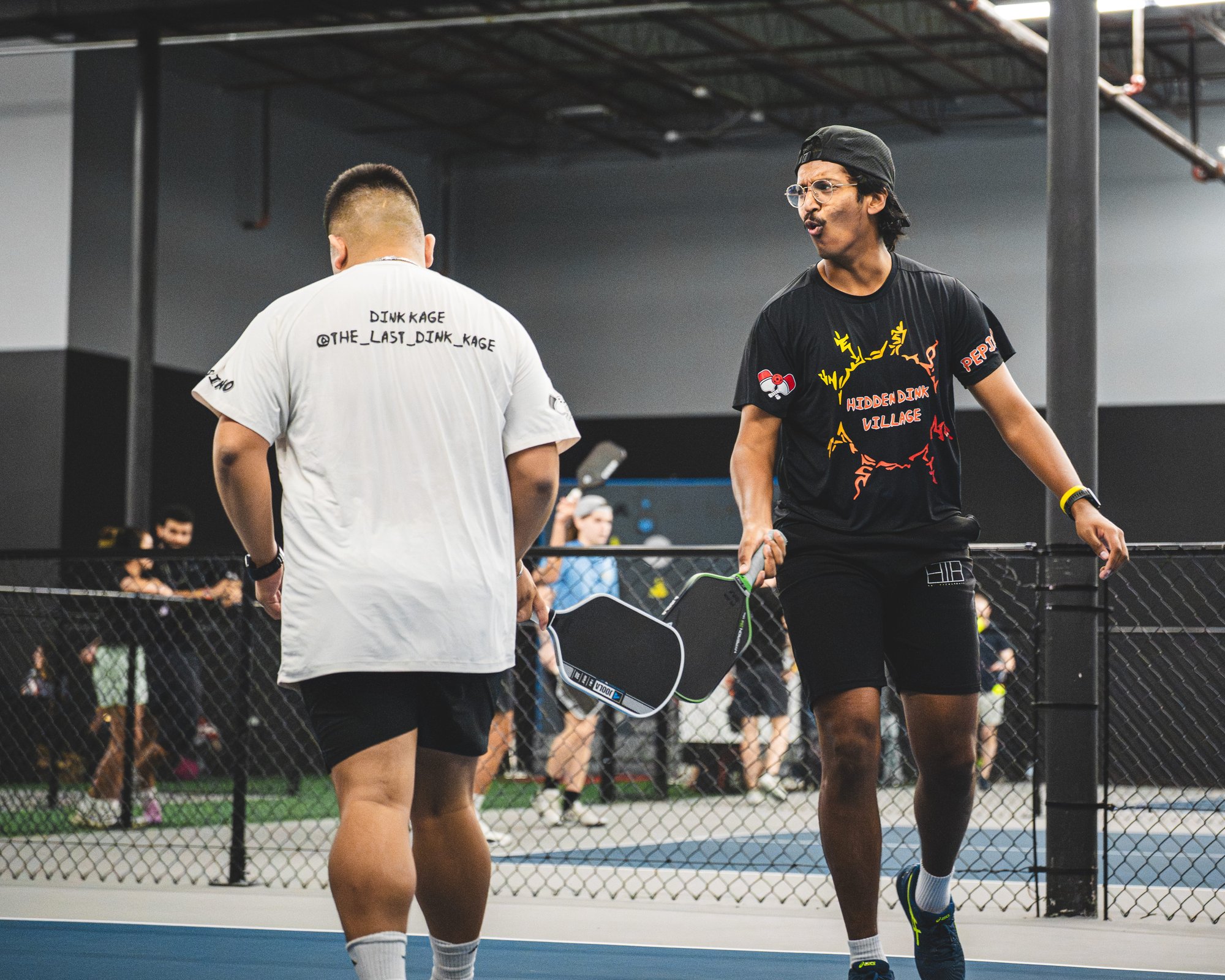
The core idea is straightforward: feedback accelerates growth by creating a loop. Observation leads to interpretation, which informs a plan, which is tested in practice, observed again, and adjusted. In a well run Era Pickleball class or private session, this loop is continuous and visible. The player feels progression, even when a drill exposes a weakness. The coach feels the moment of understanding and the validation of a movement that finally clicks. Together, they build a language for improvement that travels beyond the court into training habits, match preparation, and even the mental game.
From the first handshake in a pickleball class to the last rally of the day, feedback travels through several channels. Visual cues matter. A coach might point out alignment, weight transfer, or paddle plane with a precise, non judgmental note. Kinesthetic feedback matters too. When a player feels the difference in contact, it becomes an anchor for future shots. Auditory feedback, in the form of the coach’s words or a partner’s call, can also accelerate learning, signaling that a motion started correctly or that timing needs adjustment. Most players need a blend of all three channels, but each player will respond to a slightly different mix. The coach’s job is to read the room, sense what lands, and adjust the approach in real time. That adaptiveness is what makes coaching in Era Pickleball resonate.
To make this concrete, consider a typical progression in which feedback accelerates growth in a single drill. A player might begin with a drill focused on dink consistency at the kitchen line. The coach notices a tendency to reach too forward or too upright, which opens the paddle too late to deflect the ball just over the net. The coach points out the risk and offers a tiny, testable cue: keep the elbow loose, rotate the shoulder slightly, and let the hands stay in front as contact happens. The player tries this for ten repetitions, feels the new contact, and suddenly the ball sits on the opponent’s side with less effort. The next iteration pushes a slightly faster pace, but the same cues hold. Feedback in this moment is not a dissection of the past rally; it is a lighthouse that guides the next one. By the end of the drill, the player has learned to manage rhythm, depth, and placement with a new sense of control.
This is not a one size fits all story. Different players process feedback differently, and the most effective coaches adapt to those differences. Some athletes respond to direct, precise instructions; others prefer questions that lead them to discover the truth themselves. A few players need to hear the why behind a cue to buy in, while others want the what and the how more than the reason. Effective Era Pickleball coaching uses a flexible toolkit, blending direct instruction, guided discovery, and reflective practice. The best coaches become translators between the language of mechanics and the language of the competitive player.
Observing a session from the sideline reveals many micro adjustments that accumulate into noticeable improvement. A tiny alteration in grip depth can shift the paddle’s top edge, changing the spin and control on a soft shot. A two or three degree change in stance can transform how weight shifts during a drive volley. A tempo change in the swing can turn a neutral rally into a punishing exchange at the net. These are the kinds of subtleties that separate good players from great players, and they are precisely the kinds of details that good feedback surfaces and acts upon.
One of the delights of coaching in the Era Pickleball ecosystem is the variety of players you encounter. Some are marathon competitors who breathe through long rallies and value endurance and consistency over flash. They want clean, repeatable mechanics that can survive a 20 minute warm up, a two game set, and a tense late match. Others are attack minded, eager to press the pace at the net, and their growth hinges on the ability to read a shot path and respond with the right balance of risk and control. A third group is transitioning older players who bring a wealth of experience but need adjustments to accommodate new equipment, changing pace, or evolving rules. Each type requires nuance in feedback—what to say, when to say it, and which cues to emphasize.
To illustrate, here are two practical constructs that I rely on in Era Pickleball coaching. They help maintain focus, reduce cognitive load during drills, and ensure feedback travels forward into match play.
What feedback covers in a session
- Observation of the current movement and contact
- Interpretation of why the observed pattern exists
- A specific, testable cue or adjustment
- A plan for practice that ties to a game objective
- A quick recheck to ensure that the cue has landed
The structure above is not a rigid checklist but a practical spine that supports fluid, responsive coaching. The observation must be honest and timely, but not punitive. The interpretation should connect mechanics to outcome in a way that feels intuitive to the player. The cue needs to be small, concrete, and repeatable. The practice plan should challenge without overwhelming, with a clear path to a next milestone. And the recheck ensures that a cue sticks, not just that a drill was completed.
Two common feedback circumstances illuminate how this framework works in real life. First, during a transition to more aggressive play at the non volley zone line, a player might struggle to translate court position into consistent aggression. The coach notes the tendency to drift backward when the ball is rising, which reduces the opportunity for a clean drive. A precise cue follows: step into the shot, keep the chest over the ball, and use the knee bend to drive weight forward. The drill then focuses on small, controlled drives, with the coach offering live adjustments as the player tests depth, pace, and angle. The result is a more assertive net game that still respects control, pressure without collapse.
Second, when refining serve return patterns, feedback often centers on anticipation and option selection. A player might overcommit to a particular return, exposing a vulnerability to a crafty server. The coach guides the player through a decision tree: decide the target area, choose the pace, and adjust the paddle face to accommodate the ball’s spin. The practice routine becomes a series of dynamic returns, with the coach signaling when the player is choosing the wrong option and when they are threading a successful response into several consecutive rallies. Over time, the player builds a mental catalog of responses for common server tendencies, reducing hesitation and increasing confidence.
As feedback deepens, players begin to internalize a personal feedback loop. They start to self diagnose, noticing patterns in their own play, and formulating questions to test in practice. This is where the real shift happens. When a student turns the feedback you give into a question they ask themselves during a rally, the coaching has crossed into independence. It becomes less about the coach and more about the player’s own process. On court, you will hear phrases like, “I felt the contact in the center of the paddle,” or, “I pushed off my back foot and my balance stayed intact.” Those phrases signal a maturation in the learning cycle, a shift from external guidance to internal awareness and control.
Pitfalls are part of any coaching journey, and Era Pickleball is no exception. The most common missteps occur when feedback is either too diffuse or too prescriptive. If a coach says something like, you need to be more aggressive, that can become a vague target that leaves a player uncertain how to execute. Conversely, prescribing a single solution to every scenario can suffocate creativity and stall adaptation. The antidote is a balanced approach: offer a clear objective, together with a few practical cues, and then let the player experiment within a structured boundary. It keeps the learning alive and invites players to own the process.
Another challenge is matching feedback to the player’s level of readiness. A novice needs foundational cues that establish stable technique and reliable mechanics. An intermediate player can handle more nuanced adjustments tied to game situations. An advanced player benefits from strategic feedback that ties movement to shot selection and match outcomes. Being aware of a player’s current horizon—what they can absorb, what they can execute, and what they fear—lets the coach time feedback so it lands with maximum impact.
The Era Pickleball coaching ecosystem also invites a broader conversation about practice design. If feedback is the engine, practice structure is the chassis. A well designed practice session threads together skill, strategy, and mental readiness. It begins with warm up and general movement, moves into technique blocks, then transitions to controlled rallying or live play, and ends with a reflection period. Each phase provides a natural point for feedback: a quick note after a footwork drill, a precise cue after a technique block, and a debrief after a short match. The aim is not to bombard players with information but to pace feedback so it lands at moments when it can be acted upon immediately.
A vital aspect of this practice design is the integration of deliberate practice principles. Deliberate practice is not about doing more but about doing with intent. A player should know the target, have a method to measure progress, and receive feedback that directly connects to the target. In era training, that often translates to short, focused intervals that isolate a variable—depth on a dink, balance on a volley, or angle on a drive—followed by quick checks to confirm whether the change yielded the desired effect. The coach becomes an orchestrator, guiding focus, monitoring outcomes, and adjusting the next block accordingly.
One recurring lesson from real world coaching is the importance of narrative in feedback. Players remember stories more readily than isolated cues. A coach who frames feedback within a simple, relatable narrative helps players carry the lesson into competition. For example, a player might be guided to think of their paddle as a painter’s brush and the ball as a canvas. The aim is to paint with control, to avoid hurried strokes at critical moments, and to reserve power for the right moments in a rally. Narrative anchors create meaning, and meaning makes feedback durable.
The most powerful kind of feedback, in my experience, is not merely technical instruction but also strategic insight. It helps players understand how to choose shots based on how the rally is developing, how to pace themselves physically, and how to pace pressure on opponents. A great coach at Era Pickleball will teach players to read sequences: what will likely happen next given the ball’s spin, speed, and contact point; what that means for the best response; and how to adjust if the opponent changes tack. This approach is not about memorizing a library of responses. It is about building adaptable patterns that can be reshaped when conditions change—wind, sun, crowd noise, fatigue, or the tactical emphasis of an opponent.
Across sessions, a consistent theme emerges: growth compounds when feedback is consistent, credible, and patient. The goal is not a rapid fix but a reliable scaffolding that sustains improvement over weeks and months. Players who endure the early discomfort of new mechanics, who accept the awkwardness of new balance or contact, often reap the long term benefits: cleaner shots, higher win rates, and greater confidence when the pressure rises.
To help coaches and players think about feedback more clearly, here are two concise lists that capture practical guidance without turning the court into a classroom of do this, do that. The first list outlines practical cues for common situations. The second highlights potential pitfalls to avoid as you refine your feedback technique.
Two practical lists to guide feedback in Era Pickleball coaching
-
Dink alignment at the kitchen line: keep the paddle in front, shoulders square to the net, weight over the front foot, and eyes on the ball from contact to follow through.
-
Return of serve with pace: read the server’s motion, decide quickly whether to push, block, or swing, and execute a controlled contact that directs the ball to a space the opponent cannot easily cover.
-
Net drive with purpose: step into the shot, rotate through the hips, and finish with the paddle finishing high to create depth and angle.
-
Transition to offense: identify the moment to aggress, commit to the net, and maintain balance to absorb the opponent’s counter.
-
Recovery after shot: reset stance, reestablish center of gravity, and prepare for the next ball in under two seconds.
-
Avoiding overloading the student with options: offer one or two key cues at a time, then test and observe which cue lands and which does not.
-
Timing feedback with energy levels: do not interrupt a player mid rally with new instructions; note and address during breaks or after a sequence ends.
-
Keeping feedback anchored in match reality: connect each cue to how it changes outcomes in points rather than practice metrics alone.
-
Guarding against judgment: phrase feedback in terms of mechanics and outcomes, not personality or effort.
-
Honoring progress, even when inconsistent: acknowledge the small wins and maintain a continuous thread toward the next milestone.
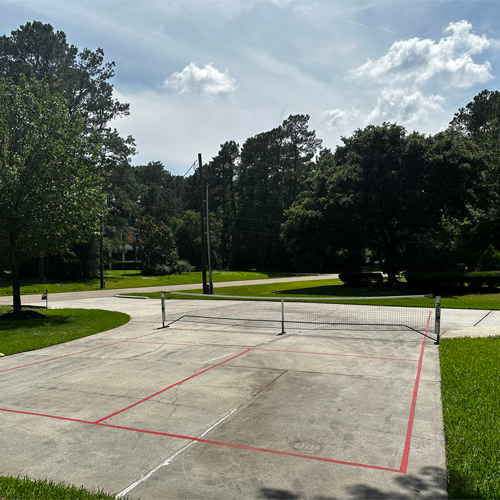
The second list is a gentle reminder that even the best feedback can miss its mark if not delivered with empathy and clarity. In practice, a strong Era Pickleball coach alternates between direct action and reflective listening. If a player looks puzzled after a cue, the coach can reframe, offer a different angle, or demonstrate the motion at a slower tempo. If the player performs well during a drill but the improvements do not translate into a game, the coach shifts from technique to strategy and decision making. The goal is a coaching approach that remains flexible, contextual, and relentlessly practical.
The landscape of pickleball coaching is full of opportunity for those who want to build a lasting practice with players who show up ready to work. Era Pickleball stands out because it treats feedback as a living system rather than a one off intervention. It is not about piling up drills or chasing trends. It is about crafting a coaching philosophy that centers the athlete, respects time, and embraces the messy, human side of skill development. The court becomes a place where knowledge is tested, refined, and made actionable in real time. The music of learning is not a single rhythm but a chorus that includes calling cues, feeling contact, testing timing, and choosing shots with intention.
A note on practical constraints. Real world coaching operates under several constraints that influence how feedback lands. Time is rarely unlimited. Courts can be crowded, or the lighting and surface conditions can shift from day to day. Equipment can change as players grow, from lighter paddles for quieter swings to higher level balls that demand greater control. Weather matters when training outside, affecting wind, bounce, and stamina. All of these factors make the coach’s ability to adapt even more critical. When conditions require flexibility, feedback can become more verbose or more concise, depending on how much cognitive bandwidth the player has available in the moment. The best coaches calibrate for the day, the group, and the individual.
Another layer of nuance is the relationship between feedback and the player’s long term goals. A player who is chasing professional competition will benefit from feedback that targets high level decision making, shot variety, and the mental game under pressure. A recreational player who plays for fitness and social connection will gain by focusing on reliable technique, consistent rally length, and enjoyable, stress free experiences on the court. The coach must align feedback with those goals and with the player’s evolving confidence. The most powerful sessions unfold when the coach and player agree on a vision and a short term plan that makes sense within that vision.
As the day winds down on Era Pickleball courts, the best stories are those of quiet breakthroughs. A player who used to struggle with a modest dink now lands with a short, crisp return that sits just on the front line, forcing a fast reaction from the opponent. A previously tentative net player becomes a threat because their attack is now built on a stable platform of balance and control. A stubborn backhand volley, once a liability, becomes a weapon because the player learned to predict the bounce, adjust stance, and keep the paddle in front despite the pressure. These moments are not accidents. They are the result of patient, well designed feedback loops that translate into reliable in game performance.
The Evolution of a coaching relationship in Era Pickleball is a story of trust. It begins with clear expectations: what the player wants to improve, how often they will train, and how feedback will be delivered. It continues with small wins that accumulate into a larger sense of capability. And it culminates in a player who no longer depends on the coach to tell them what to do, who can diagnose moments in a match, and who can adjust on the fly with confidence. That is the heart of growth, the engine behind durable improvement, and the ultimate objective of each Era Pickleball pickleball coaching session.
In practical terms, to maximize the impact of feedback, consider a few disciplined habits for both players and coaches. For players: approach every drill with a specific objective, track what changes when you apply a cue, and reflect on results after practice. Keep notes of what works, and what needs re phrasing or replacement. For coaches: start with one clear objective per drill, phrase cues in observable terms, and test variations to discover what lands most effectively. The beauty of this work lies in the balance between rigor and curiosity—the discipline of a plan that remains experimental enough to adapt to each player’s unique rhythm.
If you are exploring pickleball classes Era Pickleball offers, you will notice how this philosophy threads through the curriculum. The classes emphasize not only technique but also the art of feedback. You will see coaches who pause between sequences to name the exact mechanism they want the player to feel, then watch as the player repeats a motion until it becomes automatic. You will witness that crucial moment when a player stops thinking about the cue and starts playing with the learned movement as if it were second nature. That is the moment feedback becomes growth, and growth becomes performance.
The road ahead for players who commit to this approach is bright. It is a path marked by tangible milestones and an understanding that progress is a marathon, not a sprint. Some players will experience rapid early gains, others will progress more slowly, but the pace becomes less important than the quality of the process. When feedback is precise, timely, and compassionate, players develop a durable sense of control over their game. They learn to improvise within a framework, to stay present in the moment, and to trust the practice routine that is steadily refining their skill.
For coaches, the journey is equally demanding and deeply rewarding. The most effective practitioners do not rely on rigid repertoires. They keep a flexible toolkit ready to deploy as the court story unfolds. They observe, listen, test, and adjust in the same session without becoming overbearing. They cultivate a shared language with their players, a vocabulary built on the fundamentals of contact, balance, shot selection, and resilience. They see feedback as a mutual act, a conversation with a clear purpose: to unlock the player’s capacity for consistent, confident play across different styles and opponents.
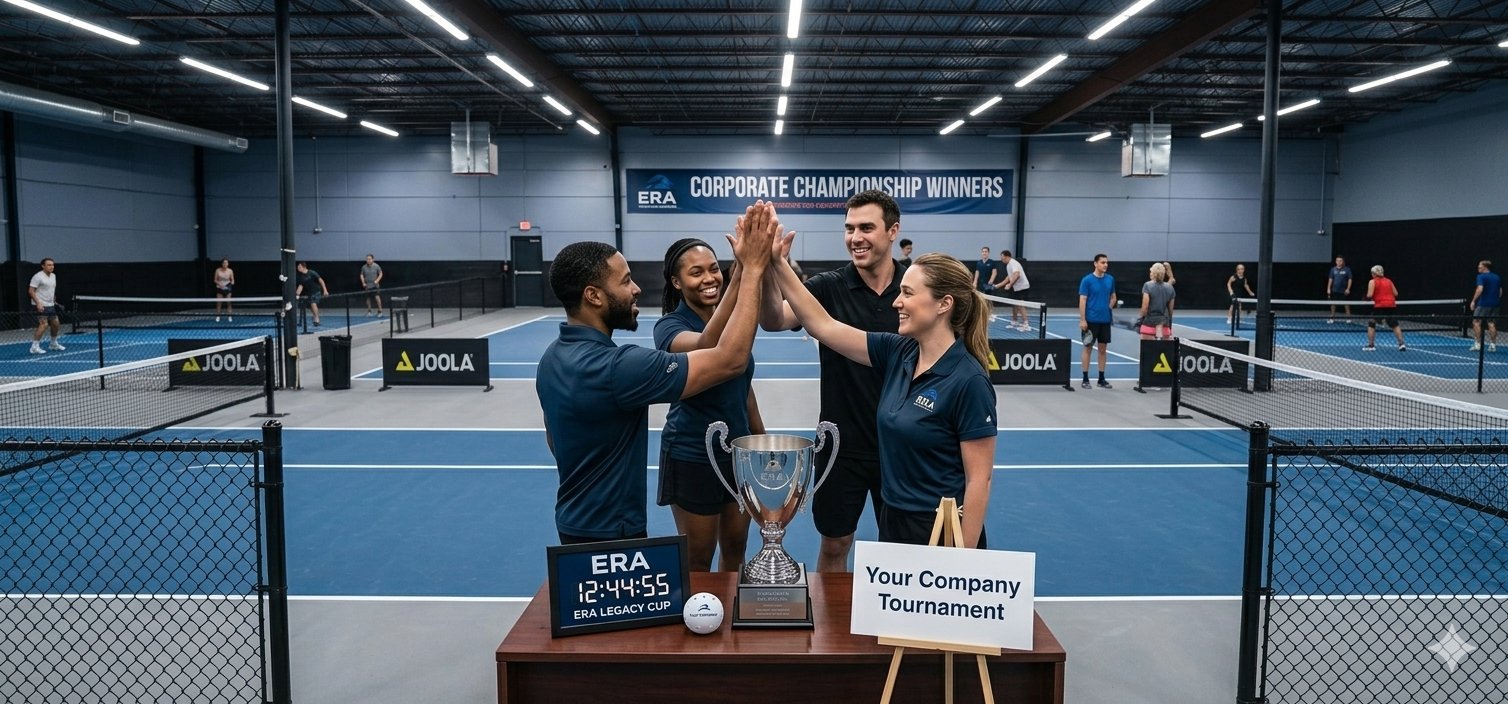
As you consider engaging with era coaching or enrolling in pickleball classes Era Pickleball offers, keep a simple benchmark in mind: the most meaningful feedback changes what happens next. It does not vanish at the end of a drill. It remains a precise reference point that the player can recall in a game, an opponent’s service, or a late rally when nerves threaten. If you can carry a handful of actionable cues into a match, and you can weave those cues into your decision making under pressure, you have taken a decisive step toward durable improvement.
In closing, feedback is not a metaphorical fuel for improvement; it is the practical mechanism by which technique becomes consistent, strategy becomes instinct, and confidence becomes a game day resource. Era Pickleball coaching is designed around that core belief. It treats each player as a growing athlete capable of remarkable adaptation when given clear guidance, ample opportunity to practice, and a learning environment that respects pace, https://rylandmjn638.theglensecret.com/educational-pathways-in-era-pickleball-pickleball-classes individuality, and the realities of competition. The result is a culture where growth is visible, sustainable, and deeply satisfying for players and coaches alike.
When you walk onto a court with that mindset, you begin to hear the language of progress in the bounce of the ball, the spin on contact, and the rhythm of a rally that ends not with a mistake, but with a decision made and executed with confidence. This is what coaching looks like in Era Pickleball. It is a craft built on feedback, practiced with care, and shared through a community that values skill, character, and the quiet satisfaction of getting better, one session at a time.